FROM ABOVE, EVERYTHING LOOKS BEAUTIFUL
MORIDJA KITENGE BANZA
Curated by N’Goné Fall
September 11th - October 31st 2026
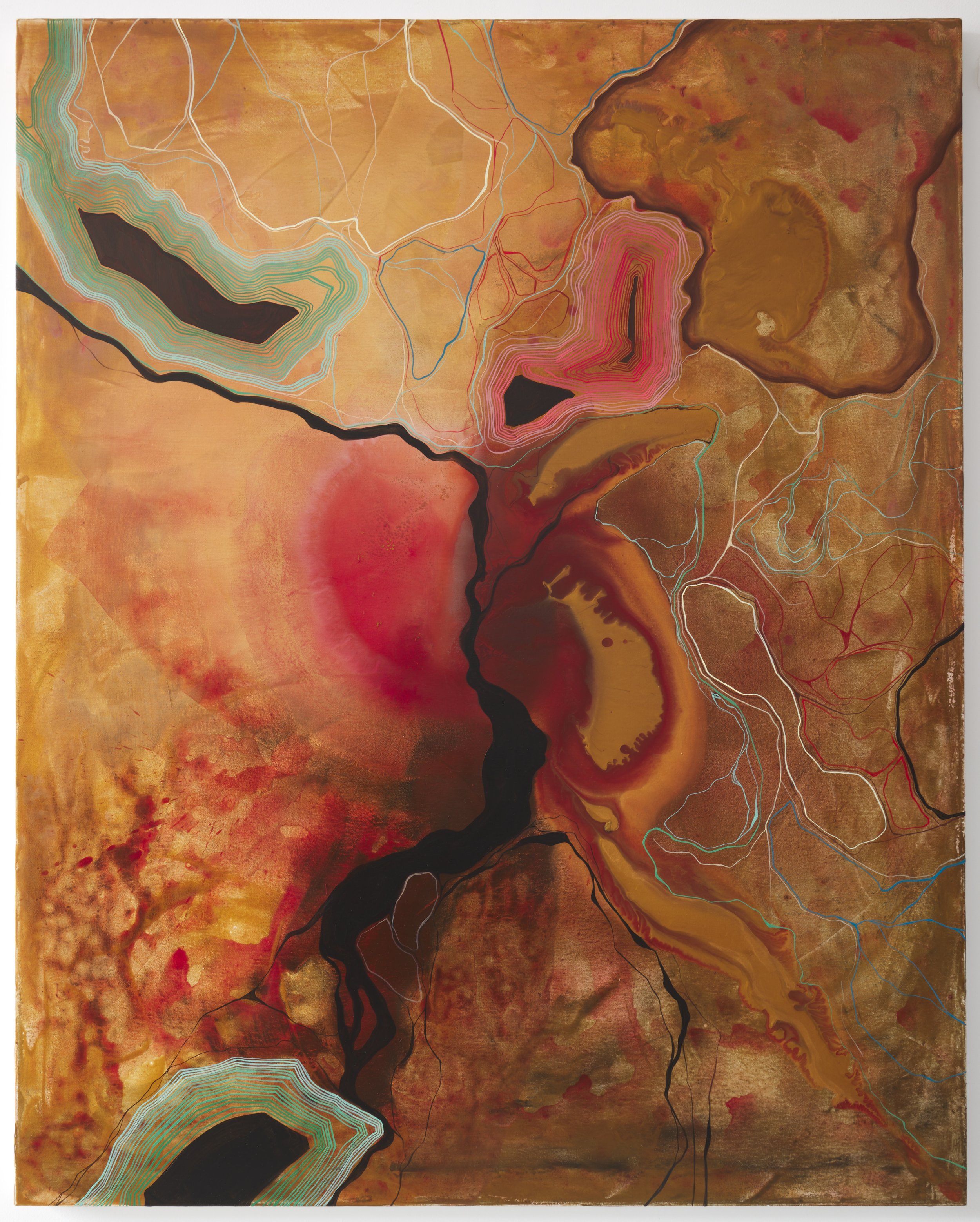
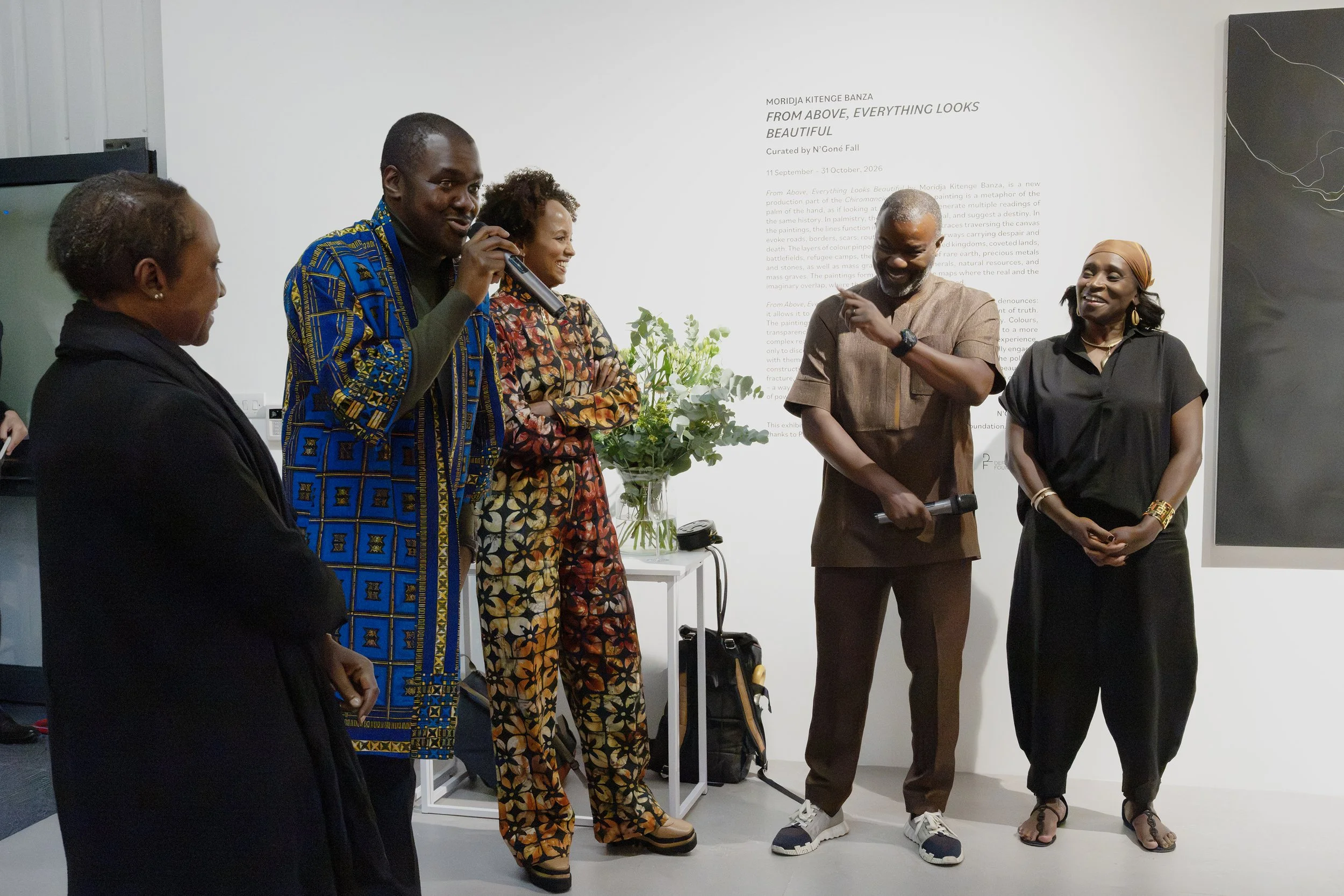
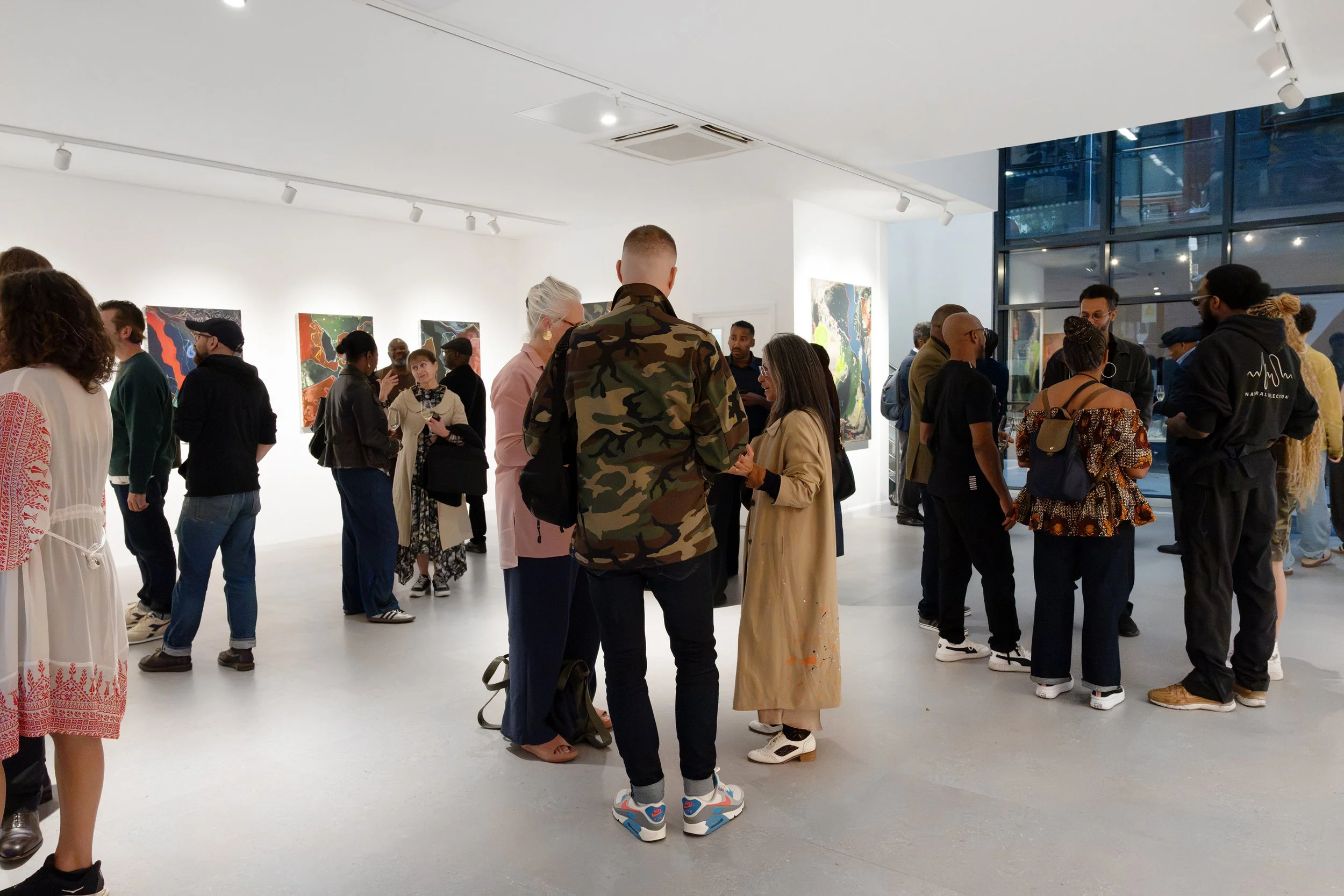
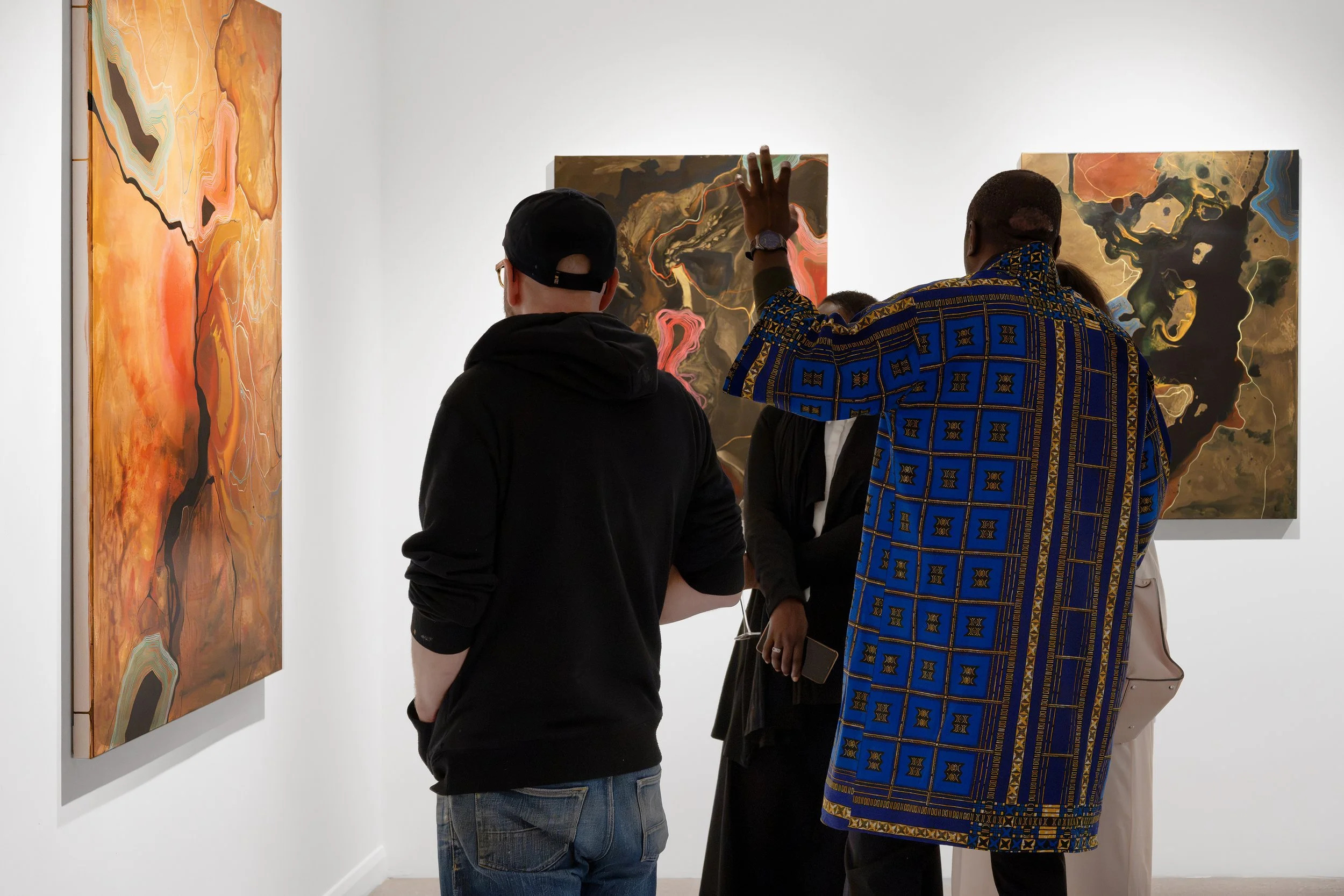
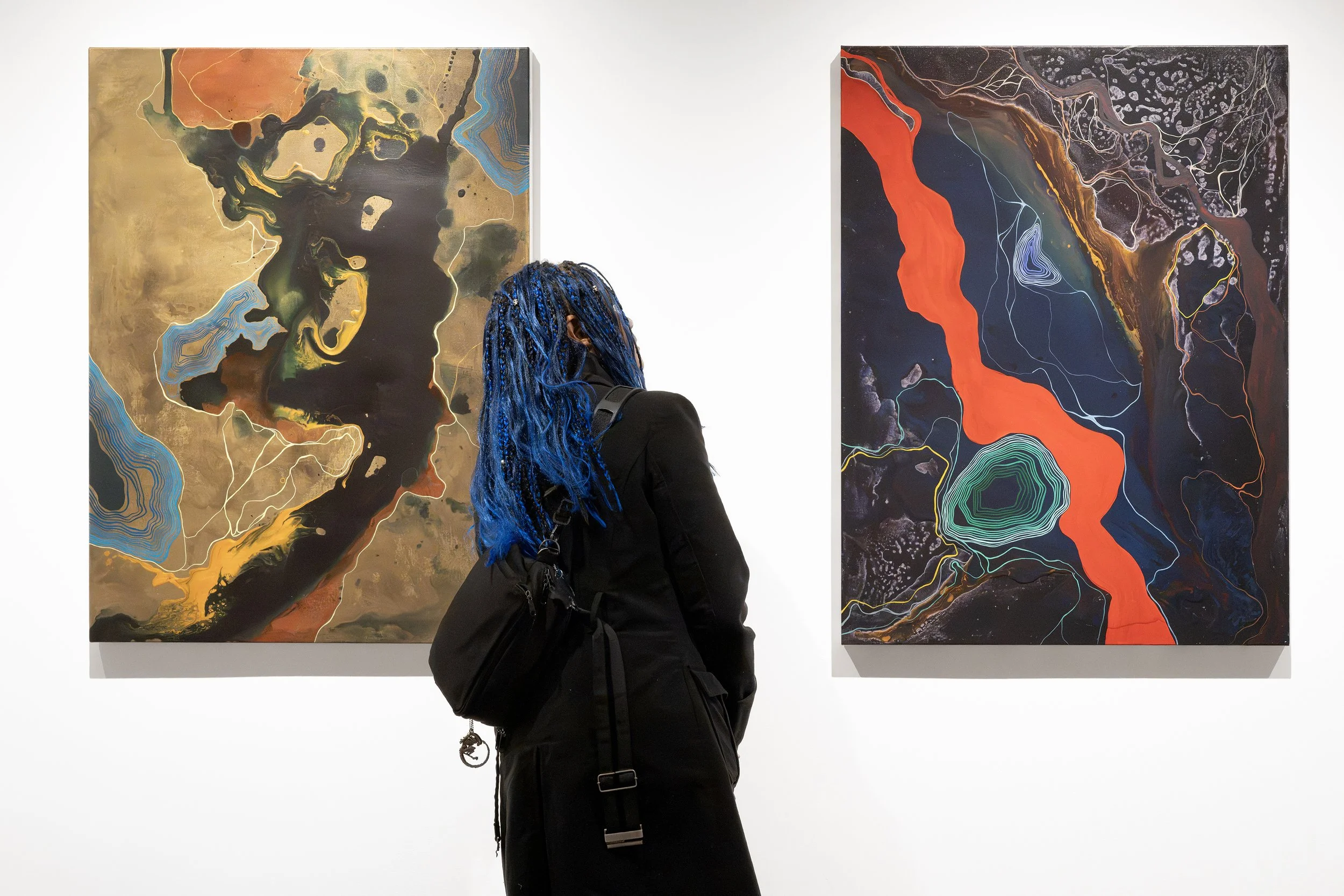
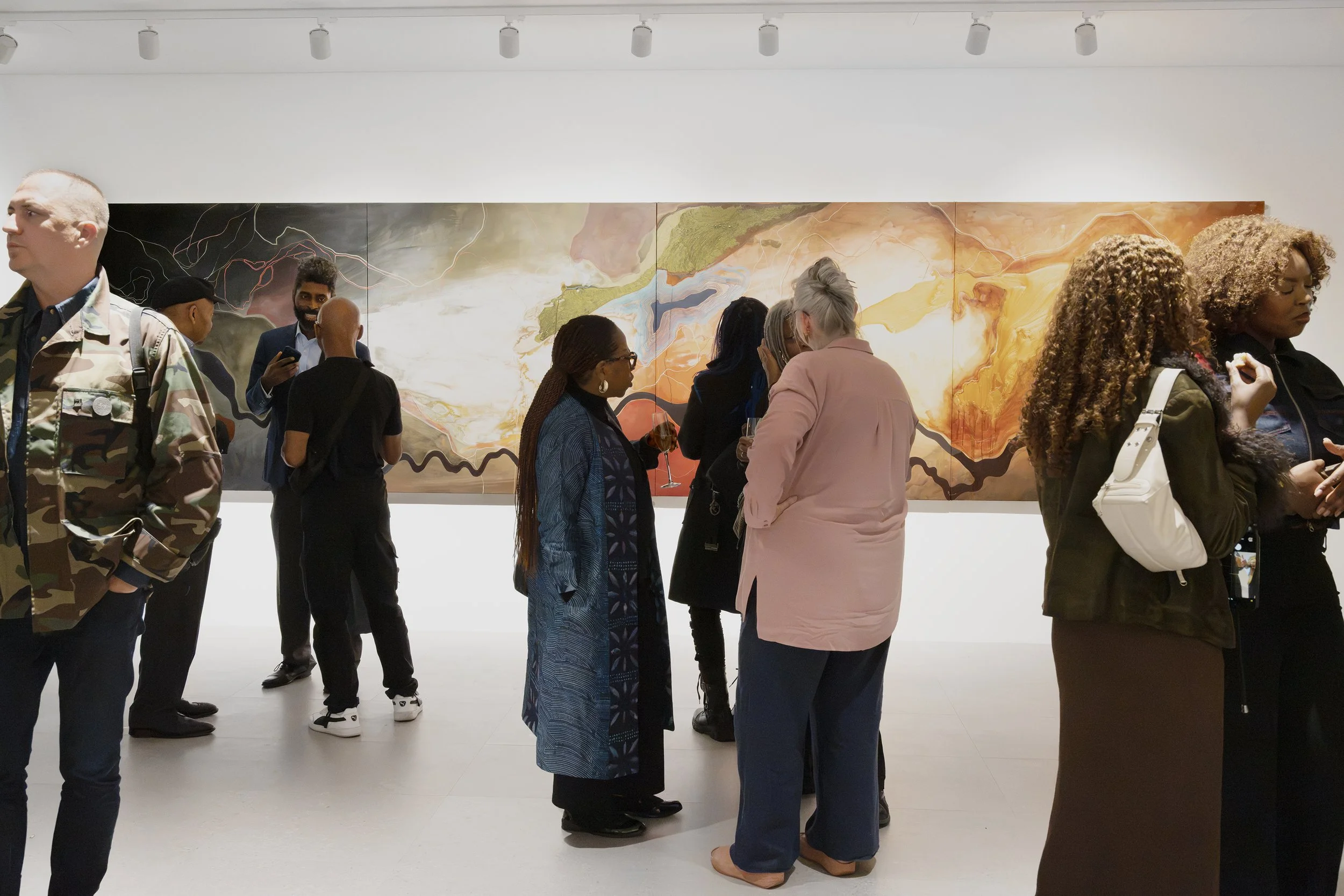
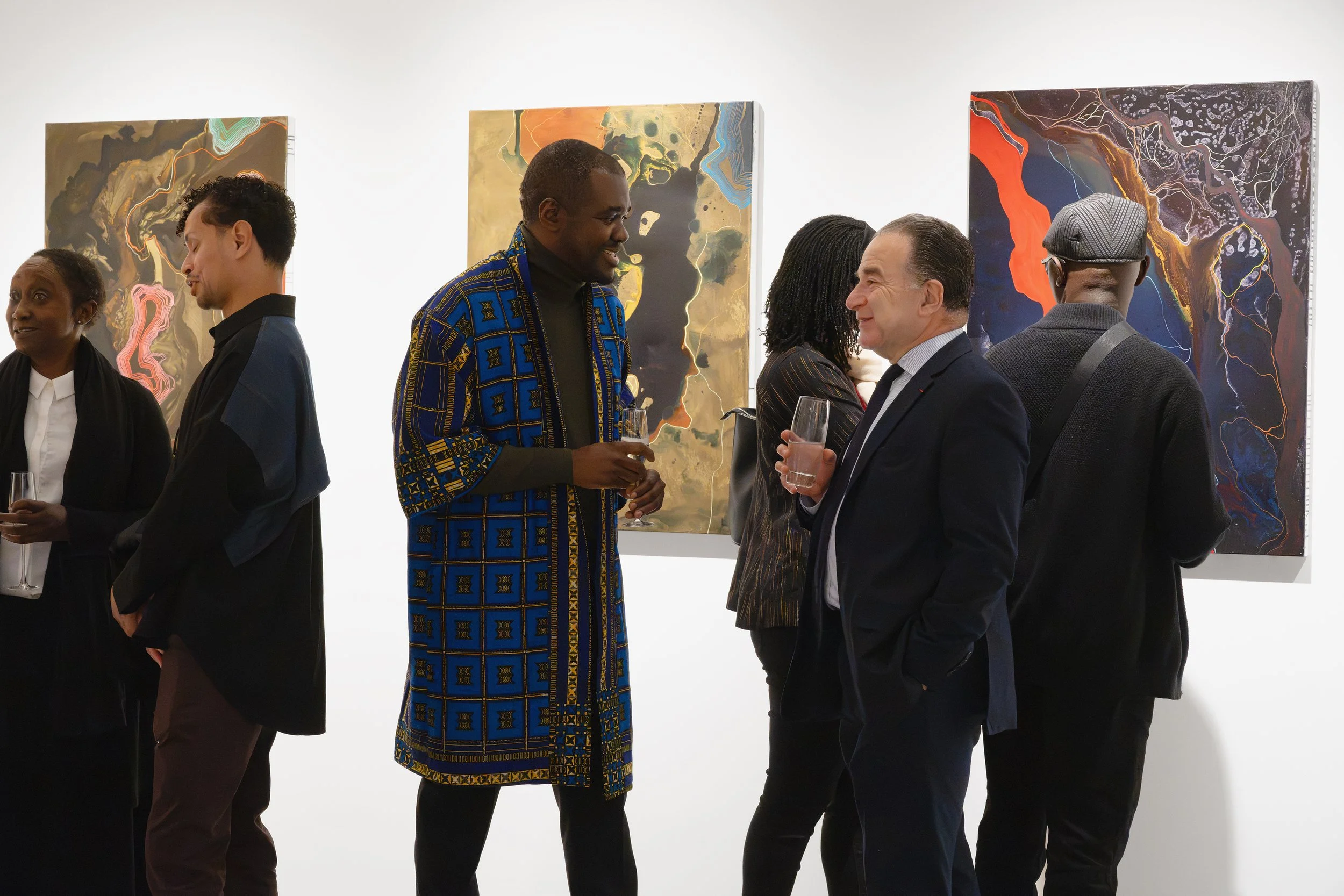
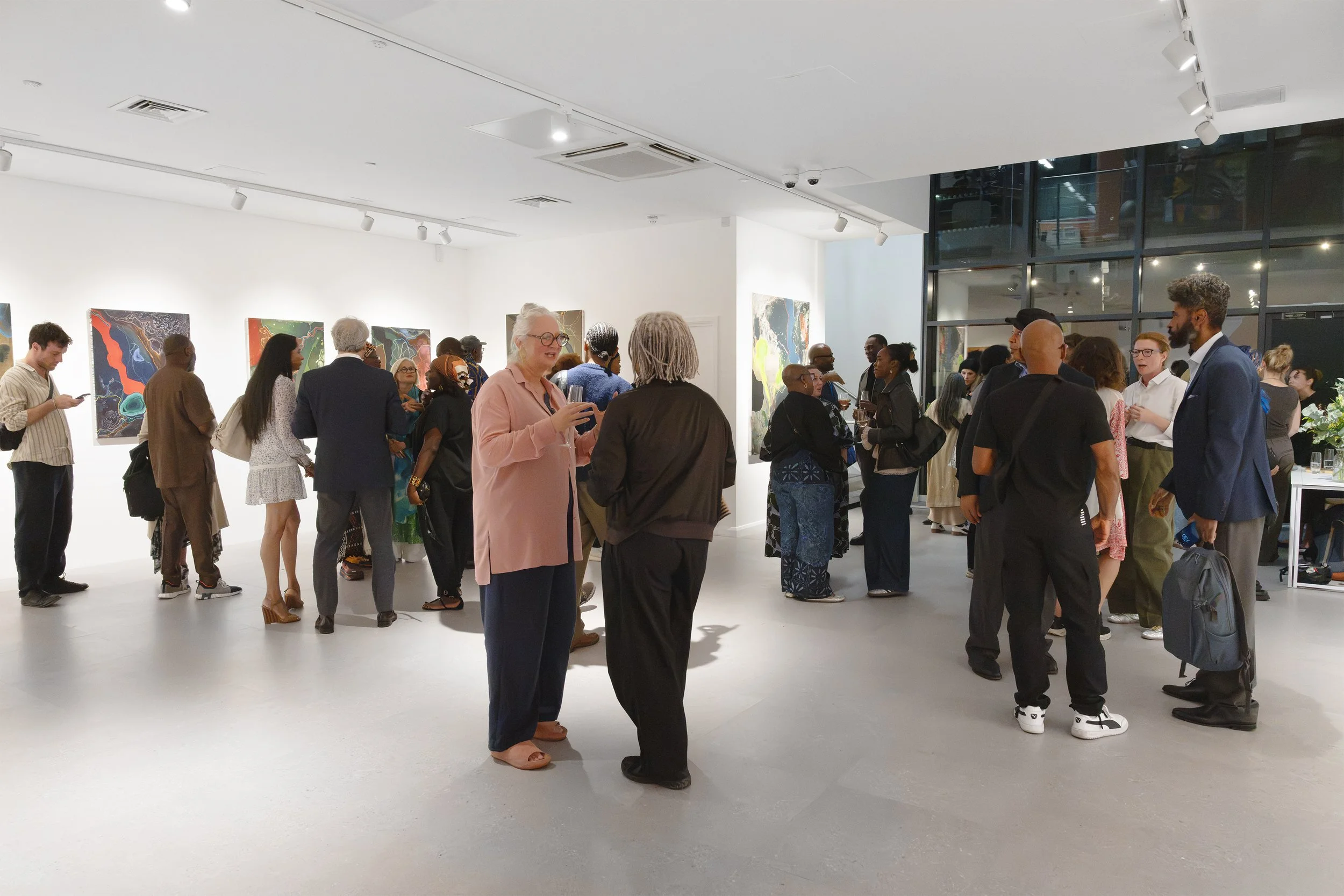
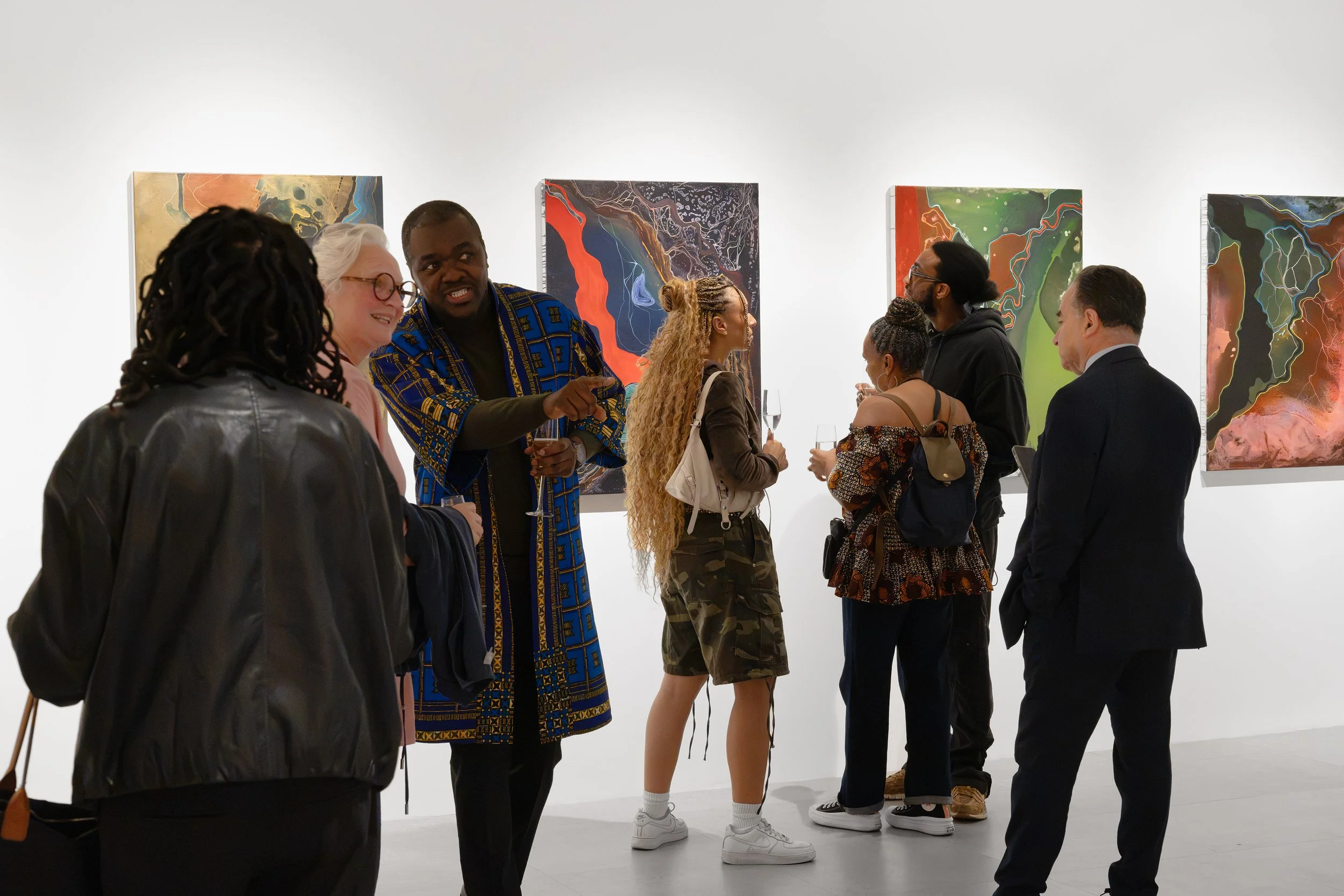
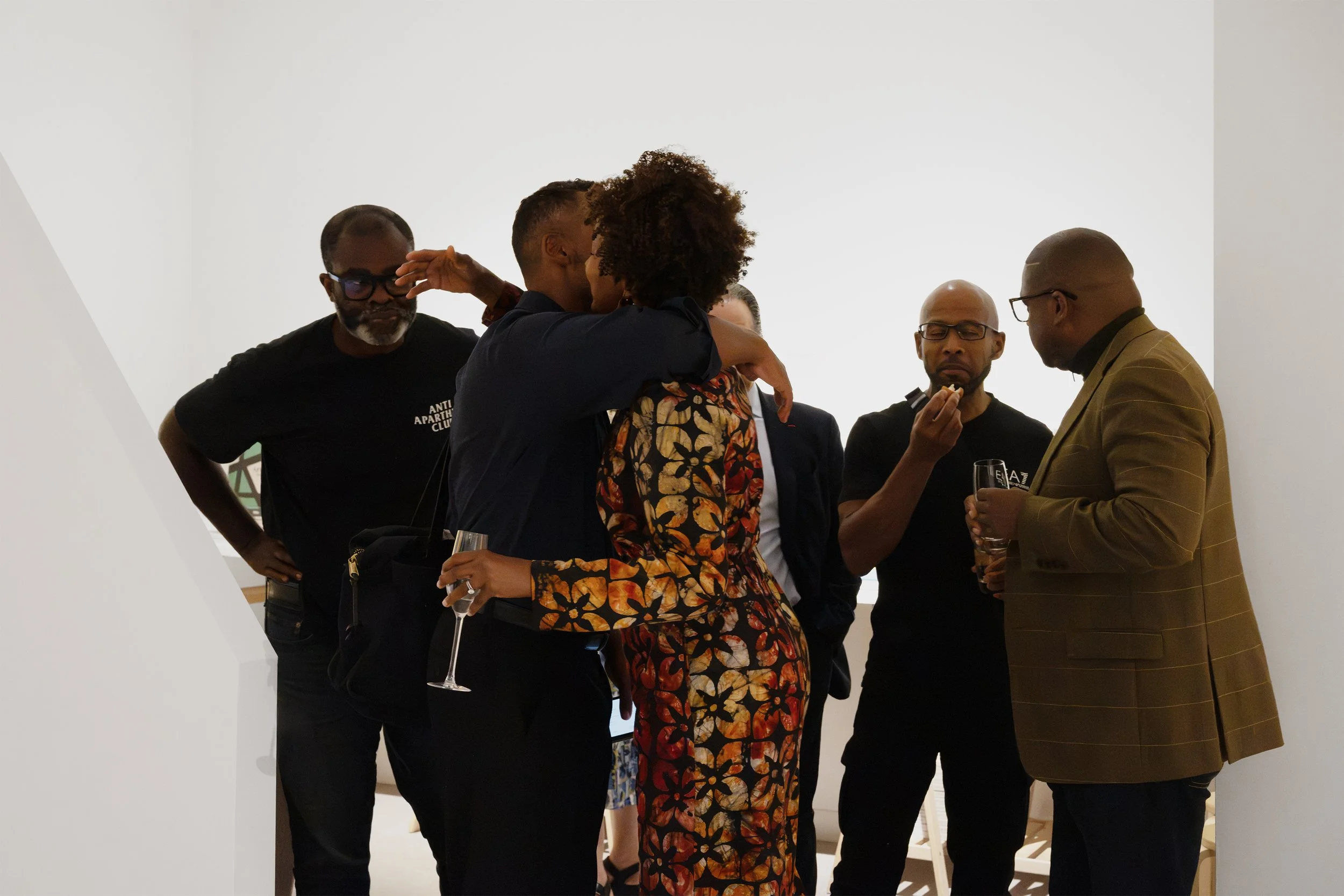
This autumn, Almas Art Foundation presents From Above, Everything Looks Beautiful, the first London solo exhibition by acclaimed Congolese Canadian artist Moridja Kitenge Banza. The exhibition debuts a new body of work from Banza’s ongoing Chiromancie series. While rooted in the history of the Democratic Republic of the Congo, the exhibition speaks to urgent global conversations around environmental justice, colonial memory, surveillance, restitution and the human cost of the technologies that shape our everyday lives. Rather than documenting these realities, Banza shifts the viewer’s perspective, revealing the often-unseen systems of power embedded within landscapes and the narratives constructed around them. The exhibition is presented in collaboration with the Defise Foundation.
The exhibition launch is complemented by a book signing with Moridja Kitenge Banza on Saturday, 13 September 15:00-17:00, where visitors can discover the recently published Moridja Kitenge Banza: Mille et une facons d’en parler | A Thousand Ways to Talk About It, published by PHI, Montreal and Figure.1 Publishing, Vancouver.
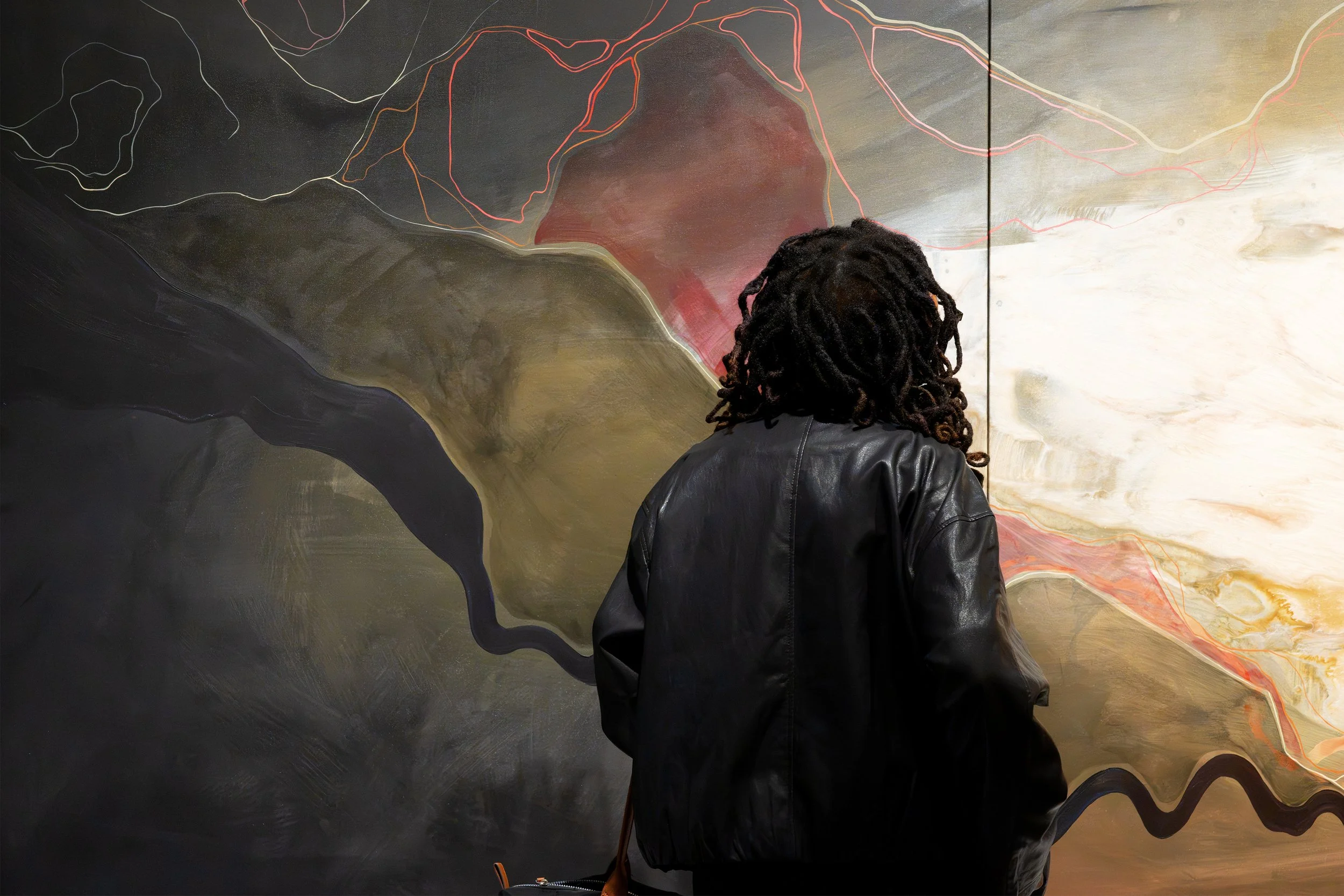
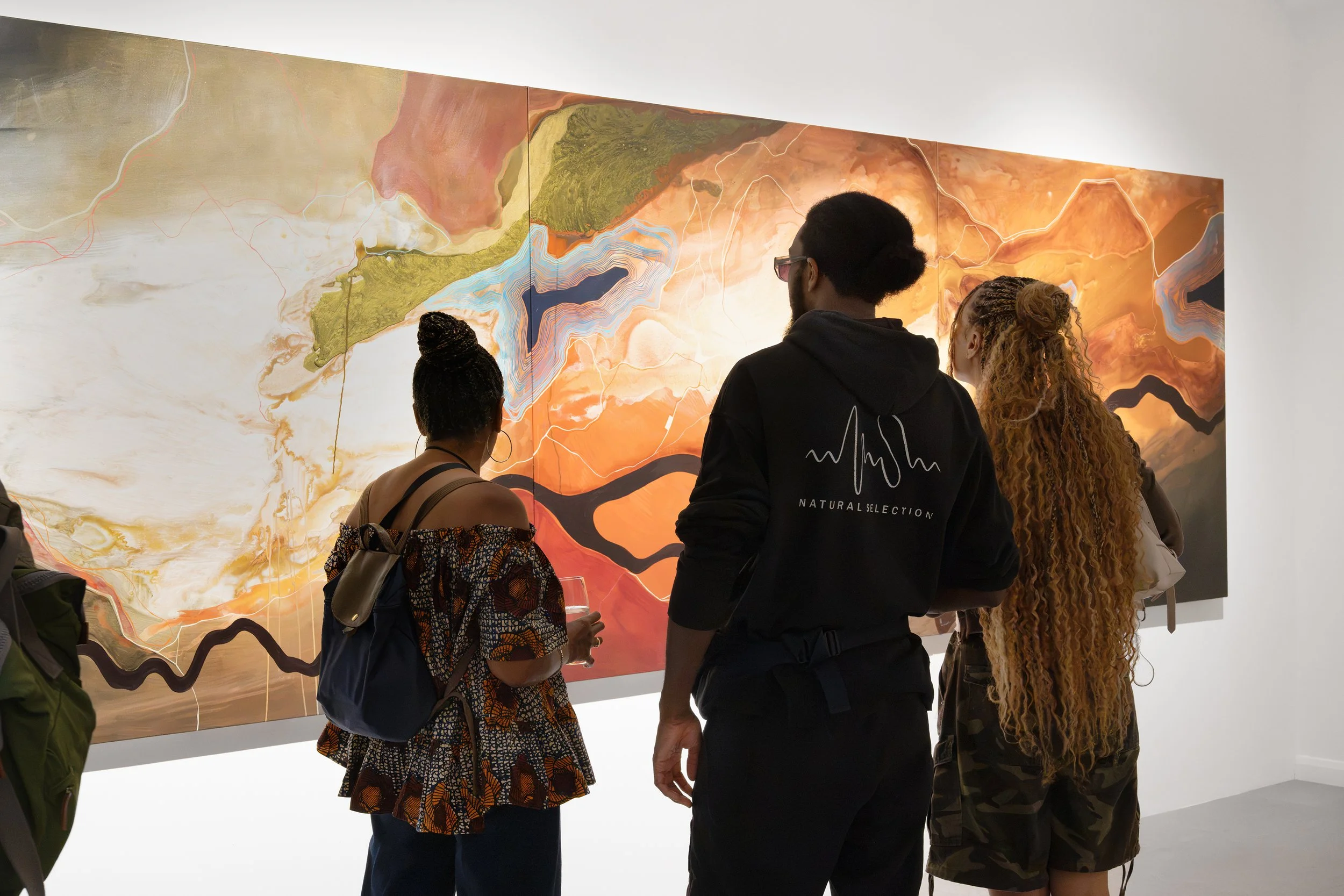
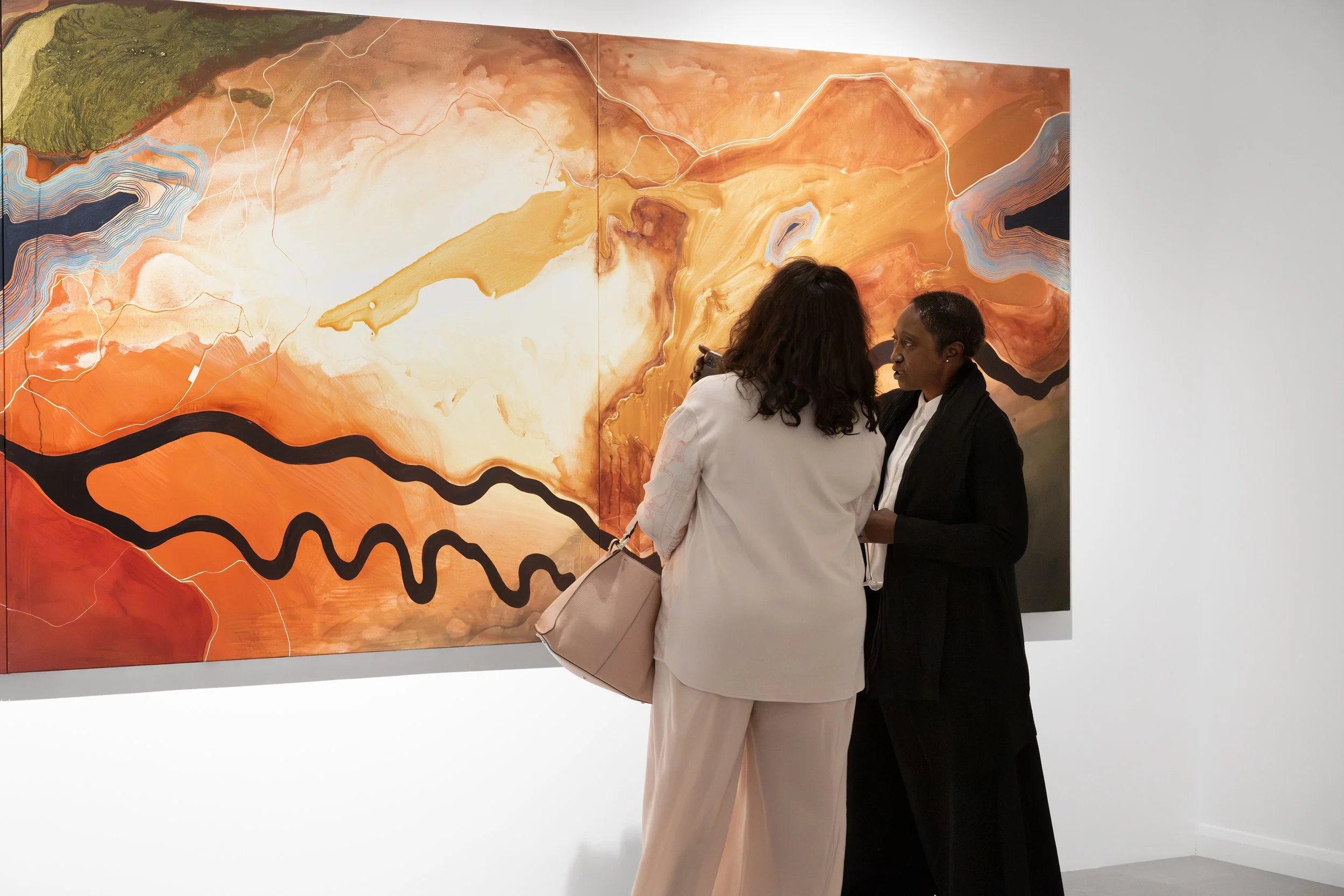
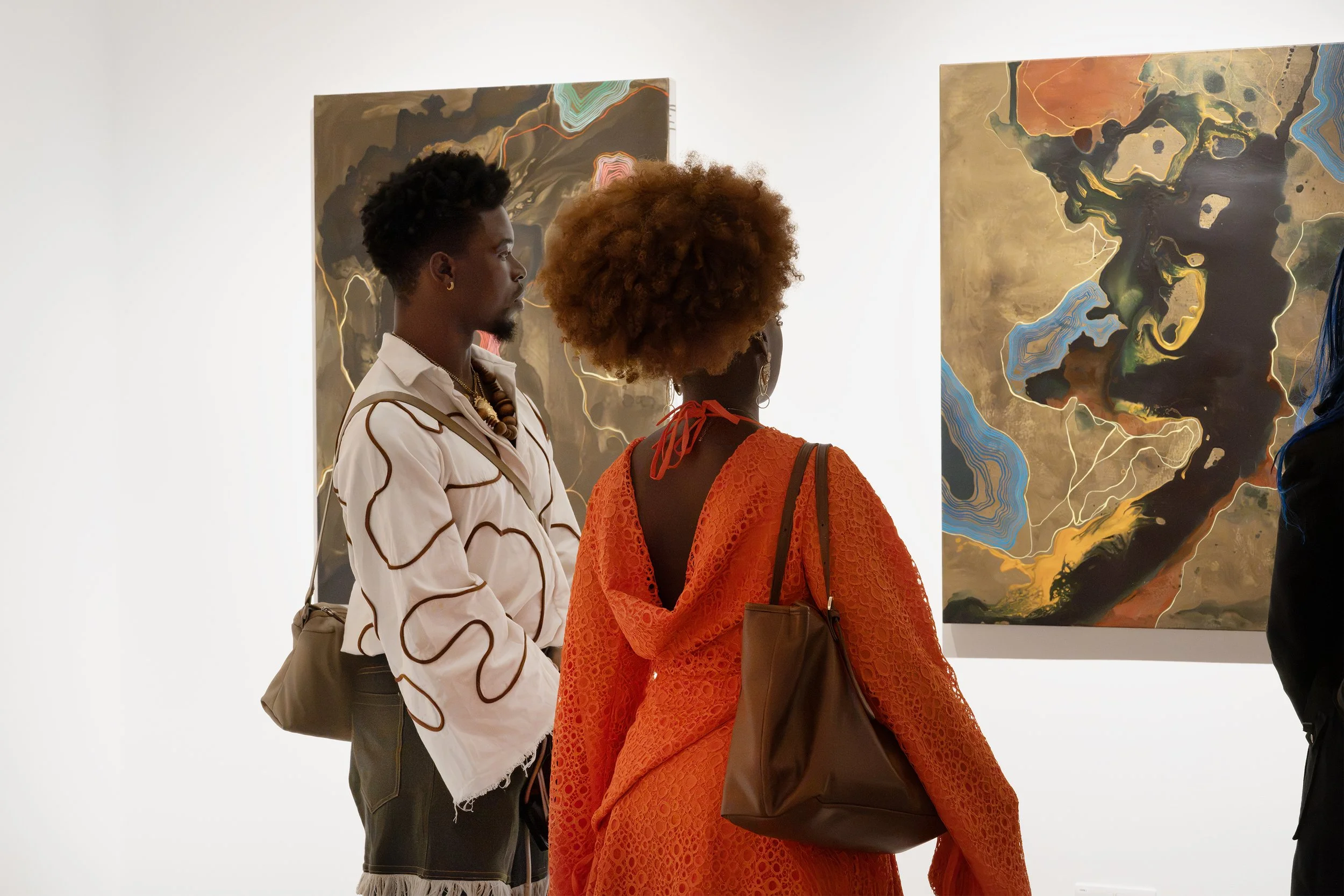
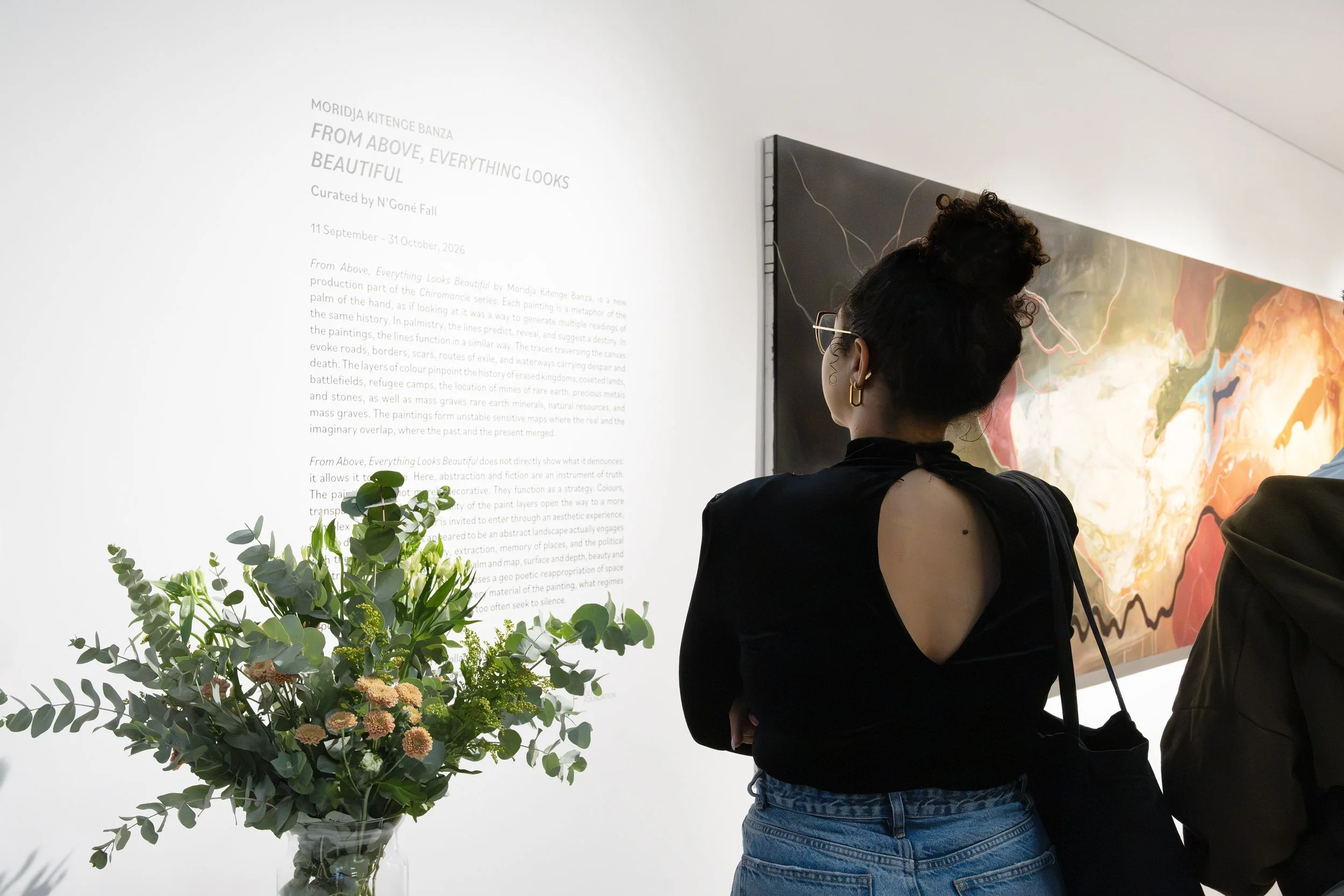
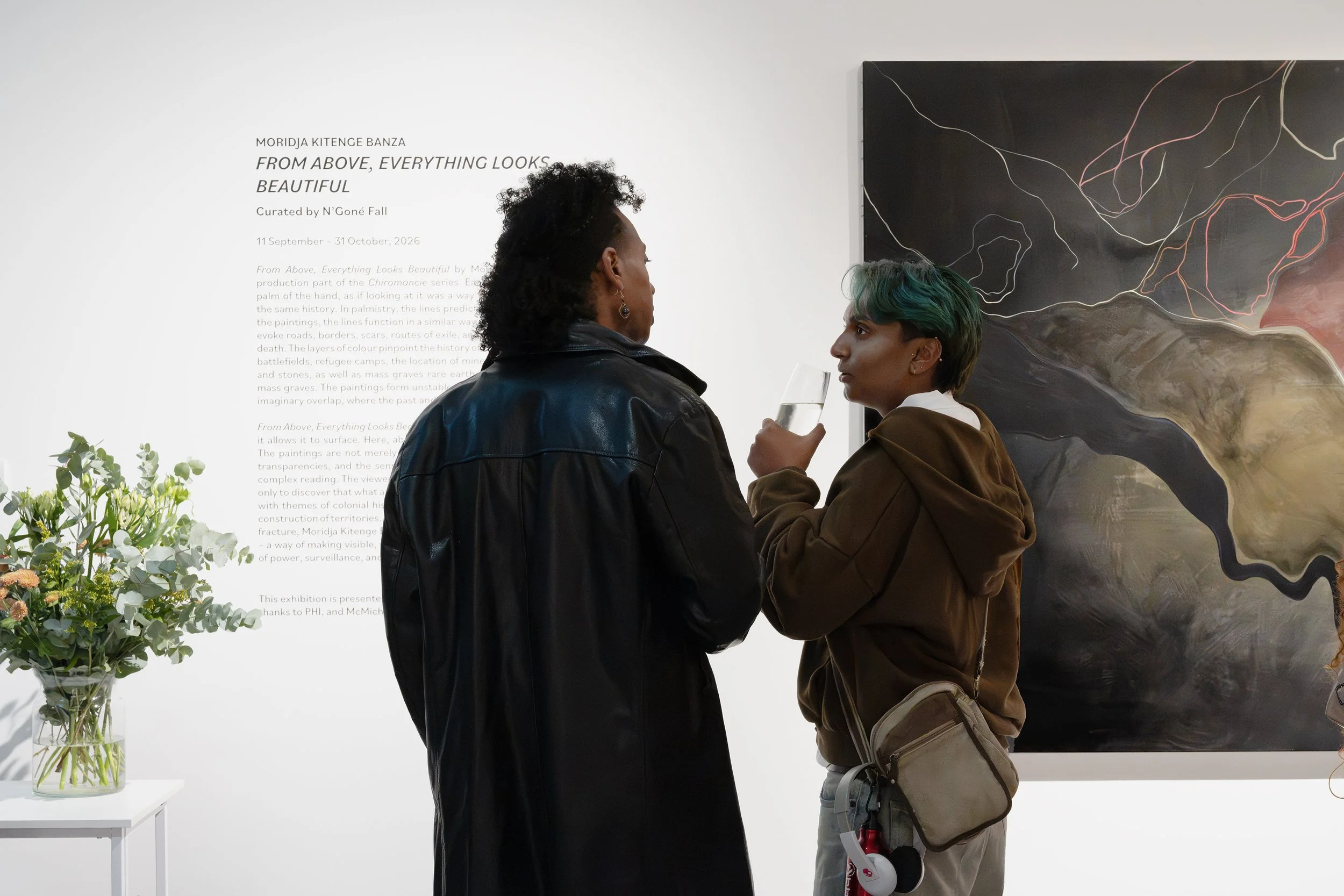
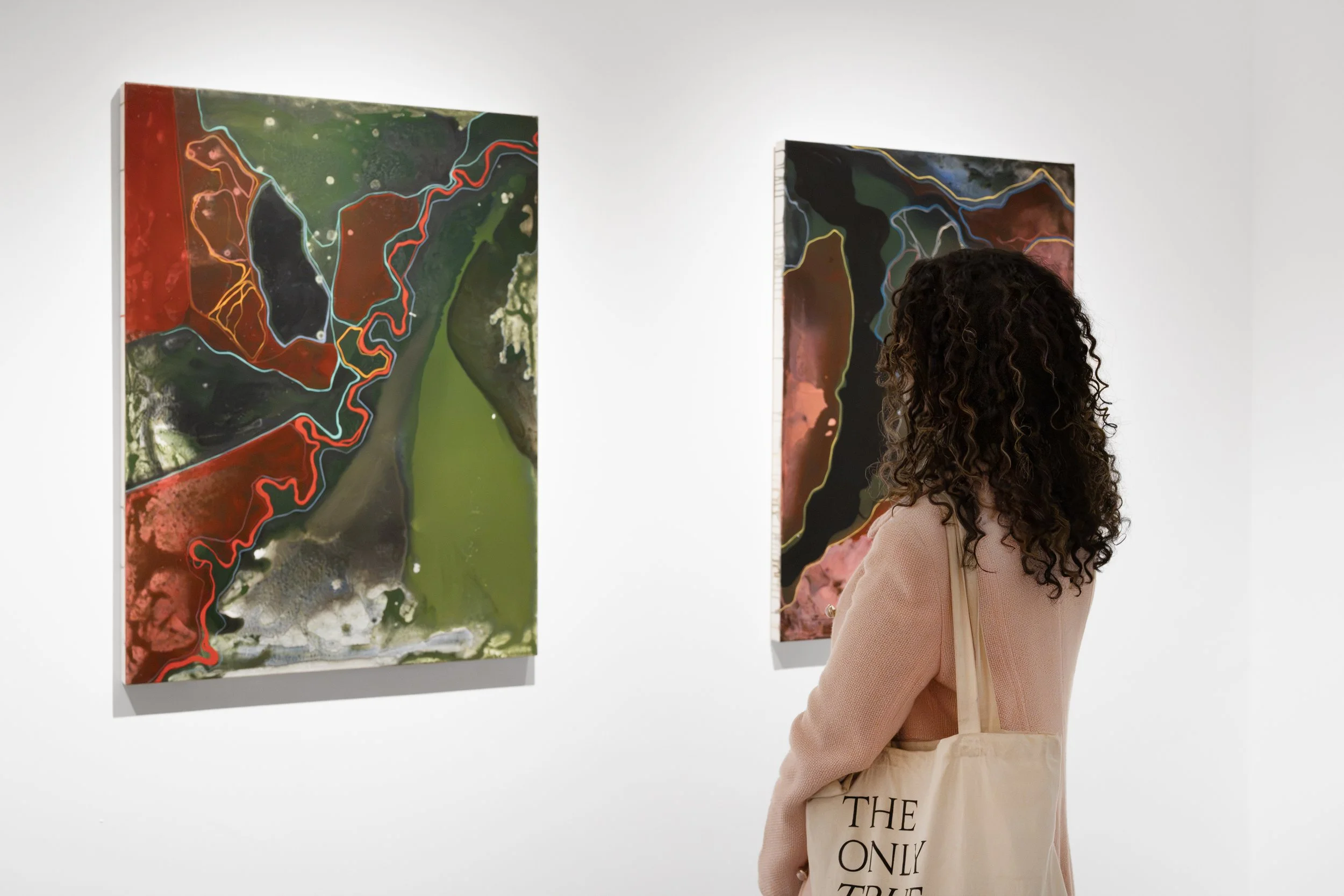
From Above, Everything Looks Beautiful by Moridja Kitenge Banza, is a new production part of the Chiromancie series. Each painting, a metaphor of the palm of the hand, generates multiple readings. What appears to be an abstract landscape
actually engages with themes of colonial history, extraction, memory of places, and the political construction of territories. Centuries of upheaval are layered into a new cartography, giving shape to the complexity of the Democratic Republic of Congo’s entangled journey.
In this exhibition, territory reinvents itself through the wounds it bears, and the gazes cast upon it. Between map and palm, surface and depth, beauty and fracture, Moridja Kitenge Banza proposes a geo poetic reappropriation of space – a way of making visible, within the very material of the painting, what regimes of power, surveillance, and extraction too often seek to silence.
— N’Goné Fall, Curator